
Blushing — what it is and why it happens
Blushing is a physiological response to emotional arousal, often triggered by feelings of anxiety, embarrassment or shame. When your brain senses social threat, your nervous system can send extra blood to your face, causing redness and warmth. For some with social anxiety, this reaction can be stronger and more frequent, and that intensity can feel overwhelming.
Erythrophobia (Fear of Blushing)
Erythrophobia is the fear of blushing, and it can significantly impact a person’s daily life. While some blushing is a common human response to embarrassment or anxiety, people with erythrophobia may experience it to an excessive and distressing degree. They may feel ashamed of their blushing and worry that other people are noticing or judging it. This can result in a vicious cycle where fear of blushing causes more blushing. The condition can negatively affect their work and social life as sufferers may seek to avoid social gatherings, public speaking, job interviews or public encounters where their blushing occurs.
Whilst there can be medical reasons for the physical symptom of blushing, erythrophobia itself is an anxiety disorder closely related to social anxiety disorder itself.
How blushing fits into the social anxiety cycle
Blushing is often one piece of the wider social anxiety “maintenance cycle”: you fear looking anxious → you monitor or hide your reactions → the monitoring increases your anxiety → symptoms intensify → you avoid social situations or leave early → the fear builds further. The good news is that breaking one part of the cycle (for example by shifting attention or practising gentle acceptance) can reduce the whole spiral.
Some blushing is normal
Blushing is a normal physiological response to emotional arousal and is not exclusive to those with social anxiety. Even with extreme blushing, self-compassion, patience, talking with others, self-help or therapy, can help you see your blushing as a natural reaction, a part of you, not a flaw. Self-compassion may help the blushes come and go without so much fear of judgement.
Some people find that being open about their blushing helps it to feel more manageable.
See this quote from our contributor George:
I suffered from intense blushing (and fear of blushing, that caused more blushing!) from the age of 14 up to age 50). It meant that I shied away from encounters and acted the fool to cover it up. But this isn’t the way to go. What I do now – when I blush – is to try and own the reaction/situation; simply say to the to those you are talking to, “I’m sorry, can I take a second….I don’t find this easy” or be honest and say, “I sometimes get anxious with people….can I take a second to relax”. You’ll be (pleasantly) surprised that people usually understand this and will give you the time (and support) to get yourself sorted. If you do this often enough it will become second nature, and you’ll find that – in time – you will blush less (or worry less about blushing). It’s worked for me, and I blush less now, and am more accepting of body’s physical reactions. Try it…and where you can try and be honest about how you’re feeling with others. I hope this helps”.
Practical things that help right now (what you can try)
Makeup or colour correctors
Blushing is nothing to be ashamed of but in some intense situations like giving a presentation, a particular social challenge, attending an interview, the fear of blushing may feel overwhelming. Green tinted colour-correcting make-up is one option for helping to hide facial redness temporarily.
Calming techniques
Calming techniques can help our body to relax, reducing blushing. Please see our page on Grounding techniques to help calm yourself.
Take notes
Keep a small diary or adapt a worksheet. Note the situations that trigger your blushing, what you did, what other ideas might work in the future. This helps you spot patterns and small wins.
Support Groups
You’re not alone. Many people find that being open about their blushing reduces any sense of shame, or being alone, and this in itself may make the blushing less frightening. You may want to join a support group to seek mutual assistance and advice.
See our page on social anxiety support groups
Cognitive Behavioural Therapy (CBT)
Cognitive Behavioural Therapy (CBT) is a highly effective and evidence-based treatment for social anxiety, including blushing.
See our pages What is CBT? and other psychological therapies for social anxiety.
Medication — short-term options and what to expect
Medication is not a first-line “fix” for blushing, but in some situations, clinicians may use medicines to reduce physical symptoms:
- SSRIs (antidepressants) are the medications NICE recommends when medication is considered for social anxiety — they target the underlying anxiety rather than the redness itself.
- Beta-blockers (for situational anxiety) such as propranolol can reduce the physical signs of anxiety (heart racing, tremor) and are sometimes used short-term for specific events (like a presentation). They don’t treat the psychological causes and aren’t right for everyone, so discuss risks and benefits with your GP.
Always check with your GP before starting or stopping any medication and make a review plan so you know when and how progress (or side effects) will be checked.
When blushing might be caused by something medical
Sometimes redness comes from a skin condition (like rosacea), medication side effects, hormonal changes or other physical causes. If your face is red most of the time, you have persistent flushing, spots, burning, or other worrying symptoms, check with your GP so they can rule out medical causes.
Talking to your GP
We know that talking to your GP can be hard for those with social anxiety – or social anxiety related blushing – please see our page on Talking to you GP
Please also see these links to international websites:
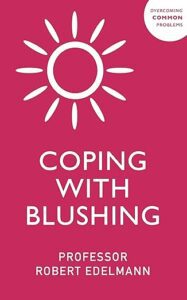 Amazon book on ‘Coping with Blushing’ by Robert Edelman
Page clinically reviewed by Dr Tasha Malcolm, MRCGP, Clinical Advisor

