
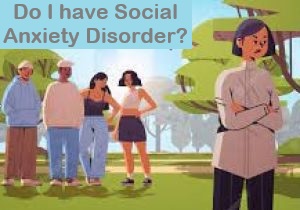
 Milder forms of social anxiety may be considered a normal, temporary feeling of nervousness in social situations. SAD is a more persistent fear that interferes with daily life in ways that cause significant distress or impairment. Most people experience some social anxiety, but the disorder is a more clinical diagnosis for when the fear becomes debilitating and impairs a person’s ability to function in aspects of their social, professional, or personal life.
SAD sufferers often know something is wrong. They may not know that there is a recognised condition called “social anxiety disorder” but will usually be aware their anxiety is overly intense and difficult to manage. The scope of the anxiety may be focused on specific types of social/public situations or generalised to almost any social/public encounter.
Please see our page on Difference between Social Anxiety and Shyness
Everyone with social anxiety has their own unique pattern of things they find challenging, so that what is easy for one person might feel impossible to another. But some of the most common situations that can lead to social anxiety symptoms might include:
• small talk
• meeting people (including strangers)
• talking in meetings or in groups
• telephone calls
• lunch or coffee breaks with friends or colleagues
• starting or ending conversations
• eating or drinking while being observed
• entering a room or a shop alone
• parties and social events
• interacting with people you are attracted to
• asking for help or refunds or making a complaint
Anxiety symptoms experienced in the situations that sufferers find difficult can be intense and may include:
• racing thoughts • blushing • feeling hot or sweating • trembling or shaking • disjointed speech • racing heart • tension in head, neck, or shoulders • nausea or butterflies • mind going blank or hard to think straight
Sufferers will often fear being embarrassed or worry about being negatively evaluated by others. Anticipatory anxiety and situational avoidance are common, and individuals may endure social situations with a high level of discomfort.
Please also see the “Do I suffer from Social Anxiety” section of the NHS Cumbria, Northumberland, Tyne And Wear: Social Anxiety – An NHS self help guide (PDF).
Screening questionnaires
There are also on-line screening questionnaires to assess whether you may have social anxiety such as those listed below. They should not be treated as a substitute for the medical advice of your own doctor or any other health care professional.
The Social Phobia Inventory (SPIN) is a self-rated scale designed for the screening and measurement of social anxiety disorder (17 Questions) and widely used within the NHS. Please note the test is for indicative purposes only and a diagnosis cannot be made without an assessment by a trained clinical professional.
The Mini-SPIN (Mini Social Phobia Inventory) is the simplest test involves 3 questions that are answered using a 5-point scale for how socially anxious you feel.
Liebowitz Social Anxiety Scale is another Social Anxiety Rating Scale, with a more complex scoring system. It is used more in countries outside the UK.
Please also see our pages on :
Difference between Social Anxiety and Shyness
Difference between Social Anxiety and Performance Anxiety
International Websites:
Socialanxietyinstitute.org – Find out if you suffer social anxiety

